There is a lot of debate in the farming community, and the farming adjacent community, about what and how to grow everything and anything. From no-till to regenerative to sustainable to row-cropping, the act of farming is highly politicized and debated.
There is also the never ending story of profiteering companies squeezing farmers for every last drop of profit, which forces farmers to pay huge overheads and manage crippling debt.
So a solution that is offered is the idea of that a smaller specialty farm can grow more diverse crops at a smaller scale and sell them to local markets to shorten the food chain and increase sustainability. That has inspired a plethora of small boutique farms selling micro-greens and heirloom varieties of specialty crops in crowded niche markets.
So how is it that with all this focus on food production, there still remains over 13% of the American population experiencing food insecurity. In an agricultural place like the United States, there should be no food insecurity.
It’s a complex problem full of multiple dimensions. To achieve success as a farmer, the first thing one must do is identify one’s values and objectives. This is where I run into some unexpected problems because my primary objective is to grow as much food as I can so I can provide it directly to those in need at the lowest cost I can. To do that, I have to keep costs down and choose nutrient dense foods that produce a high yield with minimal labor cost (mechanical investments can be high upfront but they will save in the long run over labor intensive crops). At this point in the discussion, corn often comes up.
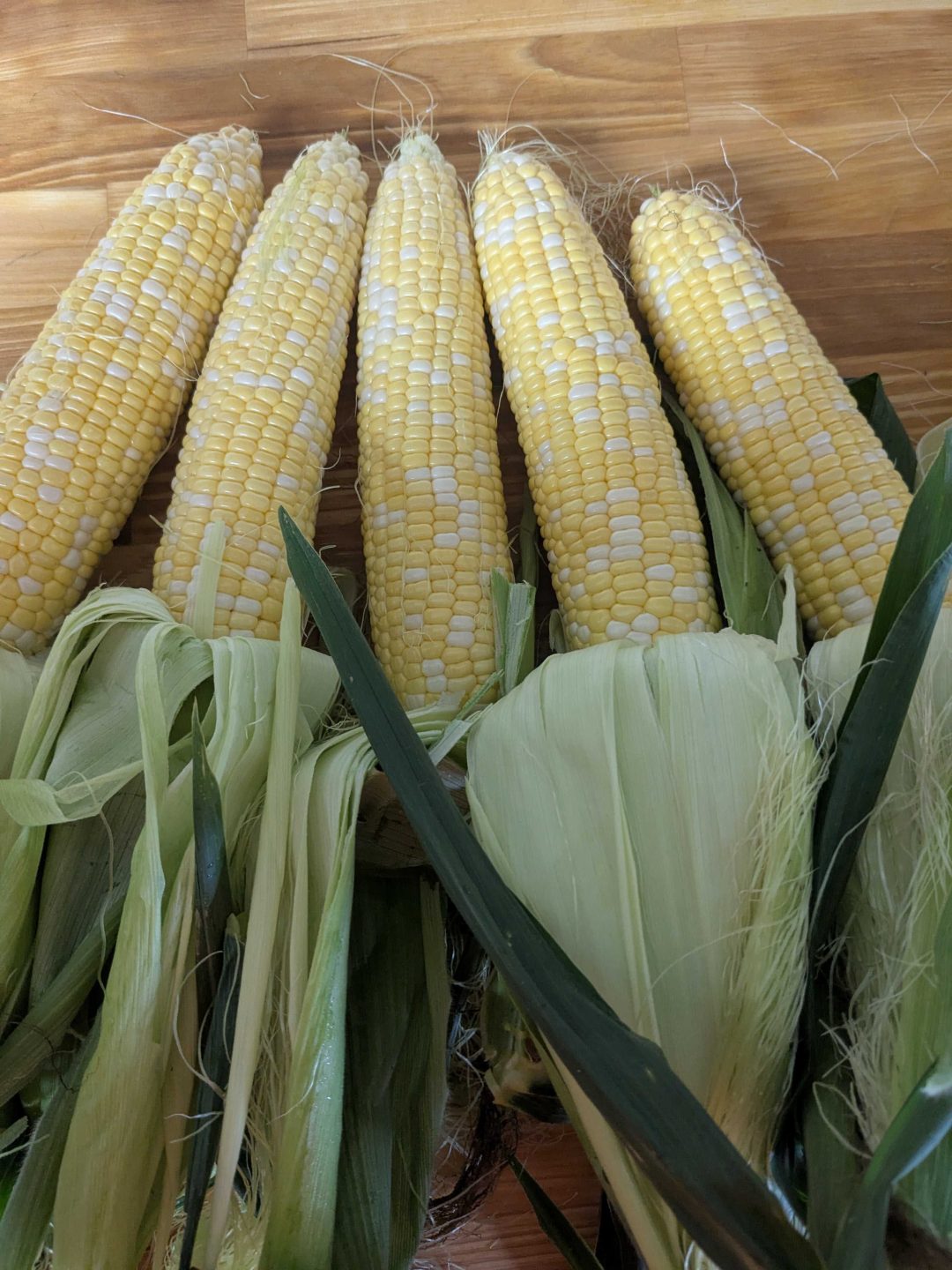
I love the taste of fresh sweet corn harvested right off the plant, but I do not plan to grow corn on a commercial level. Yes, it has value and can be grown in a cost conscious way, but the nutritional value of corn is relatively low. Instead, my community needs something like kale or spinach that is high in nutrient density and fiber; right? Well then I need to factor in the taste and popularity issue. The American diet does not gravitate toward nutrient dense leafy greens.
There is no sure-fire solution and no simple path to success in farming. As a farmer, I think you just have to pick your battles based on your principles and jump in the mix. Grow what you want but know that there is a cost associated with each choice, and that cost has to be something you are willing to pay.
Leave a Reply